No outdoor sign material is best for every project. A temporary promotion, an illuminated business face, and permanent building identification have different needs. Material choice must reflect the use and mounting system.
Start with the sign's role, location, expected duration, appearance, and budget. In Wisconsin, exposure to moisture, wind, sun, snow, and seasonal temperature shifts may affect material and installation decisions.
This guide explains the common outdoor sign materials, what they are typically used for, and how to decide which material to use before you request a quote. Of course, at Covenant Signs & Graphics, we choose the materials based on the environment, intended use, appearance, and budget, which is why we've organized it this way.
Start With Use, Location and Duration
Before comparing products, decide whether your sign is for long-term identification, an illuminated face, or a short-term promotion. Note where it will mount, how often the message changes, and what maintenance is practical. Compare materials as parts of a complete sign system rather than as standalone sheets.
Aluminum
Aluminum is commonly used in outdoor sign panels and fabricated components. It can be seen in flat panels, sign cabinets, fabricated letters, and structures that support other materials. It's workable, takes paint, looks good, and does not rust like steel.
That corrosion resistance is important in a state that salts its roads each winter. Parking lots and streets with heavy traffic can use weather-resistant sign materials due to the amount of road spray that can be expected. Not to mention a number of years, though. The aging rate of an aluminum sign will vary by the type of alloy, coat, thickness, and mounting method, so any estimate of the longevity should be based on the exact specifications given by the manufacturer of the particular sign.
Aluminum is also a good backer. Many of the signs that appear to be constructed of another material, such as a monument sign with a dimensional face, are actually constructed of aluminum beneath. Our monument signs page explains the components of a freestanding sign.
Acrylic and Polycarbonate
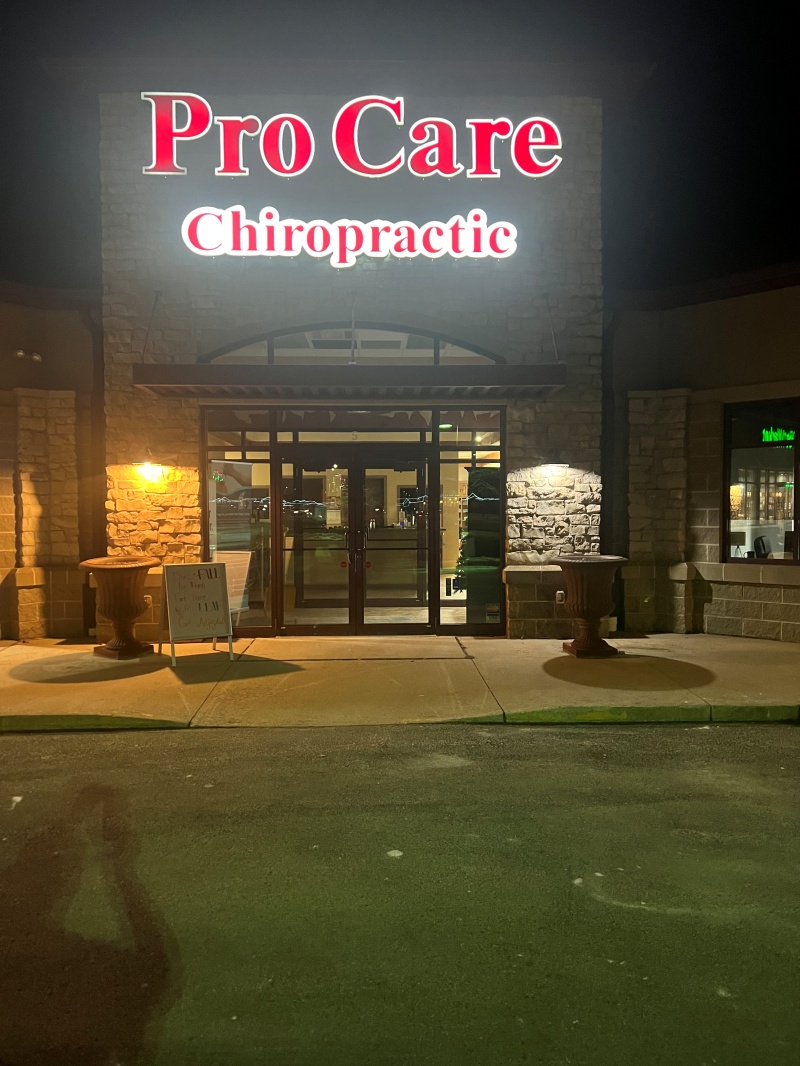
Acrylic and polycarbonate can be considered for some illuminated sign faces and components. Both can be employed for sign faces, lit letters, and dimensional elements, and it is dependent on the design.
Acrylic is one option for sign faces and dimensional elements, with available colors and finishes depending on the product. It can be cut and shaped so that it is used in crisp lettering and logos. When impact is a major factor, like a face that might be hit, or a spot where impact is an issue, polycarbonate is often the choice.
Neither is a random pick for a decorative light. Everything from the material and lighting to the housing must all work together, and the specifics vary between designs. Before choosing a material, consider the lighting that will be used on the face of the sign, if it will be lit, as you may envision an illuminated sign on your storefront. Our building signs page takes on the wall-mounted and storefront side of things.
HDU and Routed/Carved Materials
The material most of those sand-blasted, carved, wood-like signs are made of is known as high-density urethane, or HDU. Rather thick foam board that can be routed, shaped, and cut into letters and borders to be painted.
It will be found in areas where appearance is important: professional offices, restaurants, boutiques, historic areas, or any building where the sign is not an accessory but is an integral part of the building. This is dimensional work, and it adds depth and shadow that a flat panel can't.
HDU may suit dimensional or carved designs, but the right material depends on the appearance, lighting, and full sign system. A carved sign for the building can set the tone before anyone steps inside the building. Other routed materials are used for similar dimensional pieces, and the selection typically depends on what type of look you are going for and where the sign will be installed.
Vinyl, Flexible Banners and Lightweight Panels
Vinyl does a lot of the work in the sign world without making a lot of noise. It can be applied to graphics, lettering, windows, and walls, and can be used as an overlay on panels of other materials. Vinyl offers flexible color and design options for suitable branded surfaces.
Flexible banner material is another story. It's designed for large-format graphics and promotions that aren't meant for a long duration of time: A grand opening, a seasonal sale, a “now hiring” message on a fence. Banners are easy to make and simple to switch out, which is precisely why they're great for transient messages.
The compromise is as you'd expect from a light and flexible item. People don't realize how much influence wind has on a banner, so the way it is hemmed, grommeted, and tied down is very important. When considering signage, check out our banners page for more information.
Corrugated Plastic and Lightweight Panels
Most yard signs, real estate stakes, directions at events, and election season lawn signs are made from corrugated plastic. It is light, low-cost, and can be printed in full color.
It's likewise designed for temporary use. That's not a criticism; it's what it's for. Lightweight panels are a good idea – and not something you would want to spend more on – if you need 50 directional signs for a fundraiser over the weekend or you just need a quick “coming soon” message on an empty lot.
Their mistake is applying them in places where they're required to be permanent. A lightweight temporary panel may not suit a permanent business-identity application. Compare product suitability and expected use rather than assuming universal durability rankings. Use these as temporary signage and then plan for a permanent sign when the message needs to be permanent.
Choose a System for Wisconsin Exposure
When you are familiar with the properties of each material, you will be able to ask yourself the question: "Which material will match my property? There are a couple of points to discuss.
Wind - There can be lots of wind on open lots and on rooftops. It is caught by large flat faces, so size, mounting, and the structure behind the sign are important. That's one of the reasons flexible banners and light panels require further consideration.
Moisture and freeze/thaw - Water infiltrates cracks and freezes, causing the cracks to open up. Seams, fasteners, edges, and finishes are tested during a Wisconsin winter. Even the best-looking material on day one requires water-shedding details.
Sun exposure - A south-facing wall is exposed to a lot more daily sun than a shaded entrance. Long exposures can vary between colors, vinyl, and finishes, so it is advisable to ask about the long exposure characteristics of a particular product versus assuming.
Mounting - This changes the plan if you are attaching to a wall, post, or foundation. Each brick, siding, steel, and concrete base utilizes its own hardware and installation process, and the material must fit it.
How long it needs to last - A sign for promotion and a sign for building identification: These are different projects, and treating them the same bleeds money in one direction or the other.
Material life varies with product specifications, exposure, installation, and maintenance. A well-matched material and finish help make the sign more suitable for its expected conditions.
To get a deeper insight into what these decisions mean in practice, please consult our outdoor signs page.
FAQs
What is the most weather-resistant sign material?
There is no single winner since "weather" is different for each sign. The effects of wind, moisture, cold, and sun are all different ways of stressing materials. Weather-resistant sign materials, such as aluminum, are often used for structures and panels, and quality finishes do help. The real question is what material is appropriate to the application and the place, and the answer is likely a hybrid.
What material is best for a permanent business sign?
The best business sign materials are usually permanent, such as fabricated materials like aluminum; for lit signs, acrylic or polycarbonate; and for dimensional architectural applications, HDU. You need to consider the building, how you are going to see the sign, and your budget when picking the right sign. This isn't the role for corrugated plastic and banners.
What is best for temporary outdoor signage?
The typical choices for banners or corrugated plastic panels are the usual outdoor sign materials for short-term signs. Large-format promotion calls for banners, stakes, and yard signs, and directions call for lightweight panels. Use them for short periods of time, both of them.
Does the finish or mounting method matter?
Quite a bit. Two pieces of the same material can be quite different when done and decorated. The wind and moisture resistance of a sign is affected by the coating and edge details, as well as the structural elements within the sign itself. It would be better to inquire about these features rather than examining just the face material.
Discuss Your Project With Covenant
Before choosing, ask: What message must the sign carry, and for how long? Where will it be mounted? What exposure, finish, maintenance, and structural support apply? The right choice depends on the complete sign system, including material, mounting, finish, and intended use.
Share your property photos, proposed sign type, placement, intended duration, and budget. Request a project quote or call (920) 949-7089 to discuss suitable options.