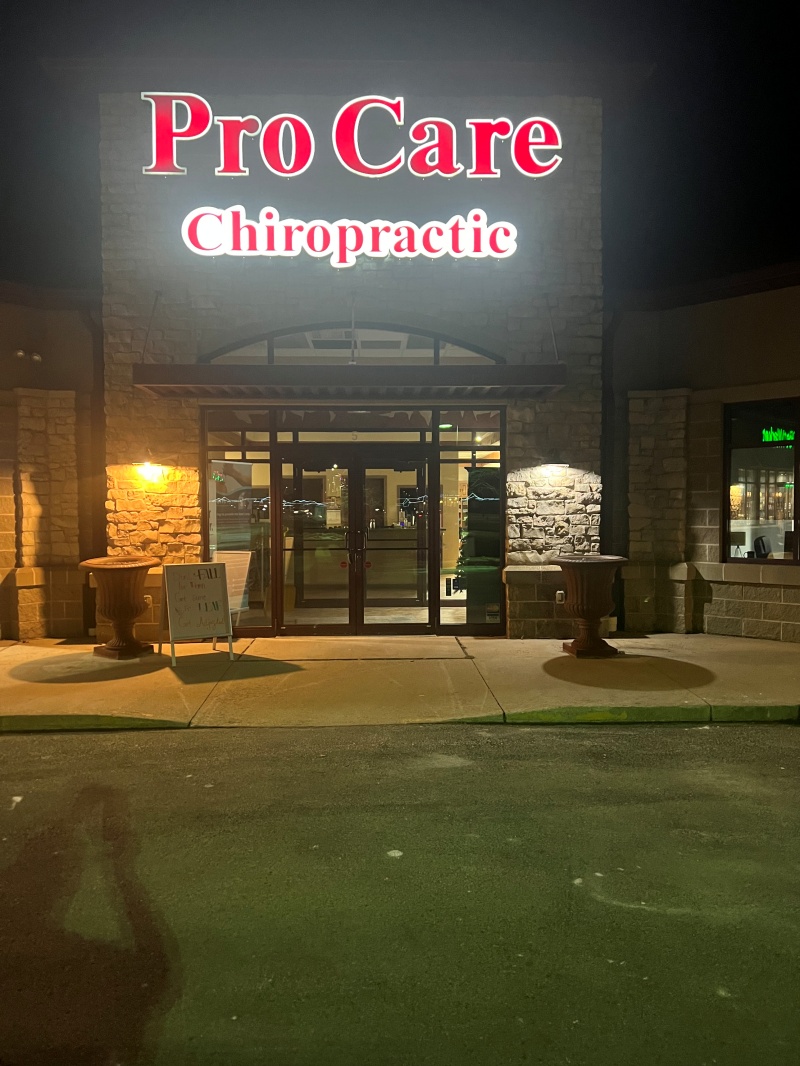
Made to be recognized
Match your logo, colors, and tone to the way people encounter your business, from the street to the lobby.
Move beyond generic sign products with a visual solution shaped around your identity, architecture, message, and customer experience.
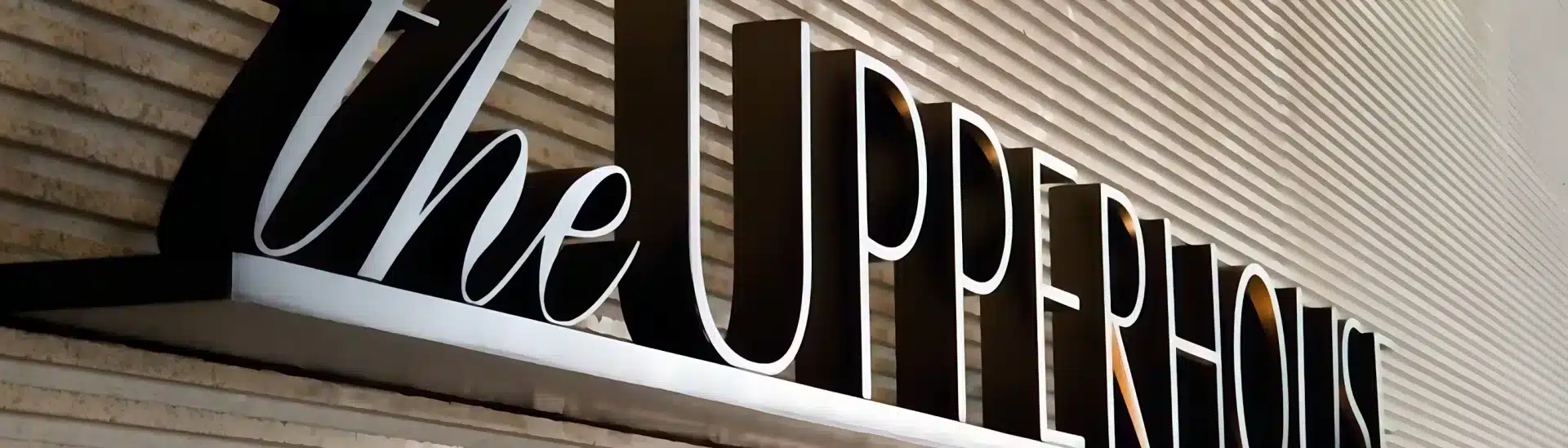
Custom signs are made for a particular business, property, and purpose rather than pulled from a standard catalog. That might mean dimensional lettering on an entrance, a lobby mark that welcomes visitors, or graphics carried across windows and walls. The useful format starts with where people encounter the message—not simply the shape of a logo.
A retailer or restaurant may need an entrance people can recognize from the street. A clinic or professional office may need a reception identity and clear directions once visitors are inside. Commercial facilities and community organizations may want one brand to work across several surfaces. Readability, placement, and upkeep matter alongside appearance.
Covenant Signs & Graphics helps turn that brief into a practical plan: discuss the audience and site, develop a proof, compare materials and finishes, then produce and install the agreed solution. Bring your goals, brand assets, measurements, budget, timeline, and site photos to the free custom-sign consultation. If your property has sign criteria or approval requirements, raise them early so the recommendation fits the real location.
The choices behind a sign matter as much as the message on it.
Match your logo, colors, and tone to the way people encounter your business, from the street to the lobby.
Plan visibility, mounting, lighting, and exposure around the actual site instead of forcing one format into every space.
Compare materials by appearance, upkeep, and budget. The right mix depends on where your sign will live.
Carry a consistent message from an exterior sign to windows, walls, and printed graphics without repeating the same layout everywhere.
Custom signage translates a logo and message into a physical experience that fits the property. Shape, scale, depth, color, finish, illumination, mounting, and placement can all be developed together so the sign feels specific to the business rather than selected from a catalog.
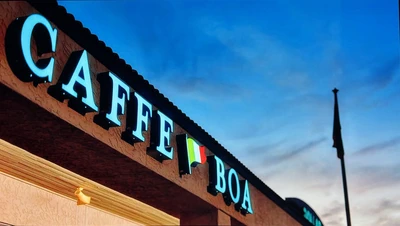
Acrylic, aluminum, composite panels, dimensional foam, vinyl, wood-like materials, and illuminated components create very different impressions. We compare appearance, durability, weight, maintenance, environment, and budget before recommending a construction approach.
Mixed-material designs can add depth without sacrificing readability.
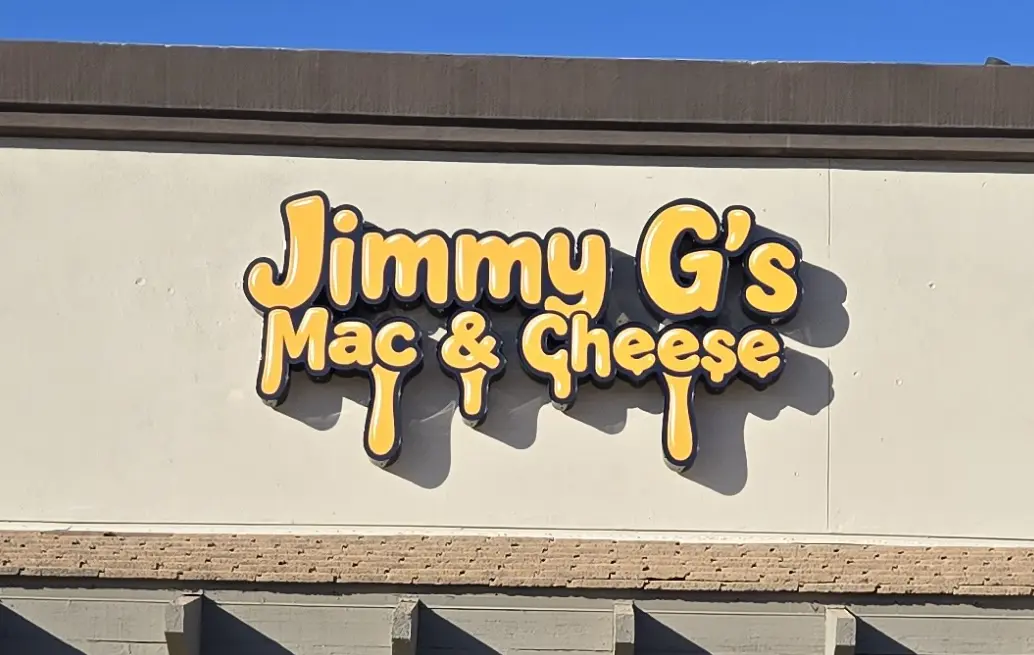
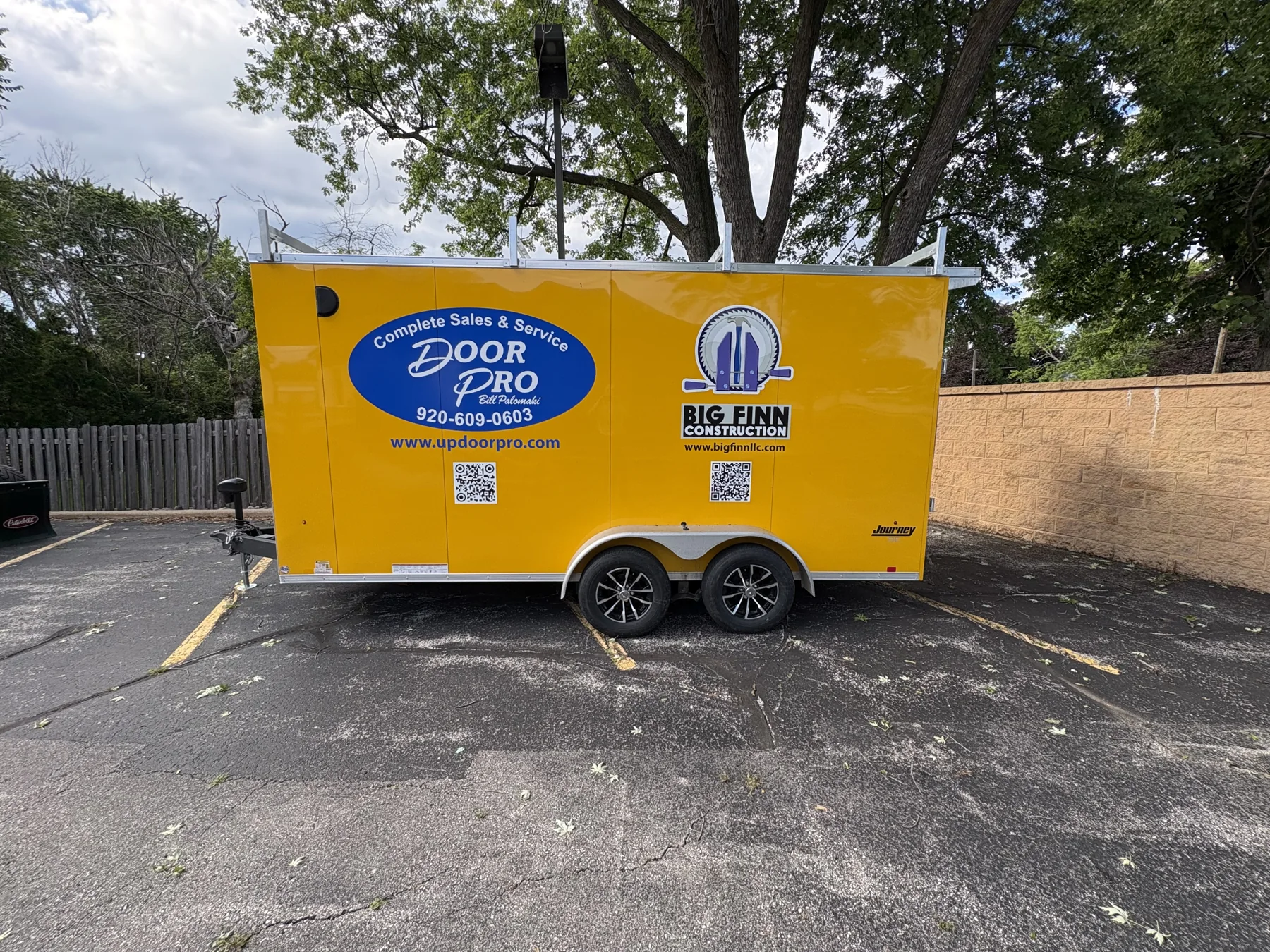
Walls, windows, floors, vehicles, displays, and temporary structures can all carry custom printed or cut graphics. Large-format production supports photography, patterns, gradients, illustrations, lettering, and branded environments at scales traditional sign panels cannot provide.
We begin with the audience, location, objective, and technical constraints. Concepts are refined through proofs before fabrication, and installation details are planned early so the finished work fits correctly. This process protects the design intent from the first sketch through final placement.
Flat panels, raised letters, cut or printed graphics, and combinations of these create different levels of depth and detail.
Acrylic, aluminum, composite panels, dimensional components, and vinyl have different finishes, weights, and upkeep needs.
Unlit signs, lit letters, and digital displays solve different day-to-night needs; illuminated options also need site planning.
A building face, glass, freestanding location, or interior wall changes the attachment and approval conversation.
A roadside sign needs to be understood quickly; a reception sign can reward a closer look. Photos of your building, approximate viewing distance, and available mounting surfaces help define the right dimensions and message. For a street-facing entrance, compare storefront signs with other outdoor signs.
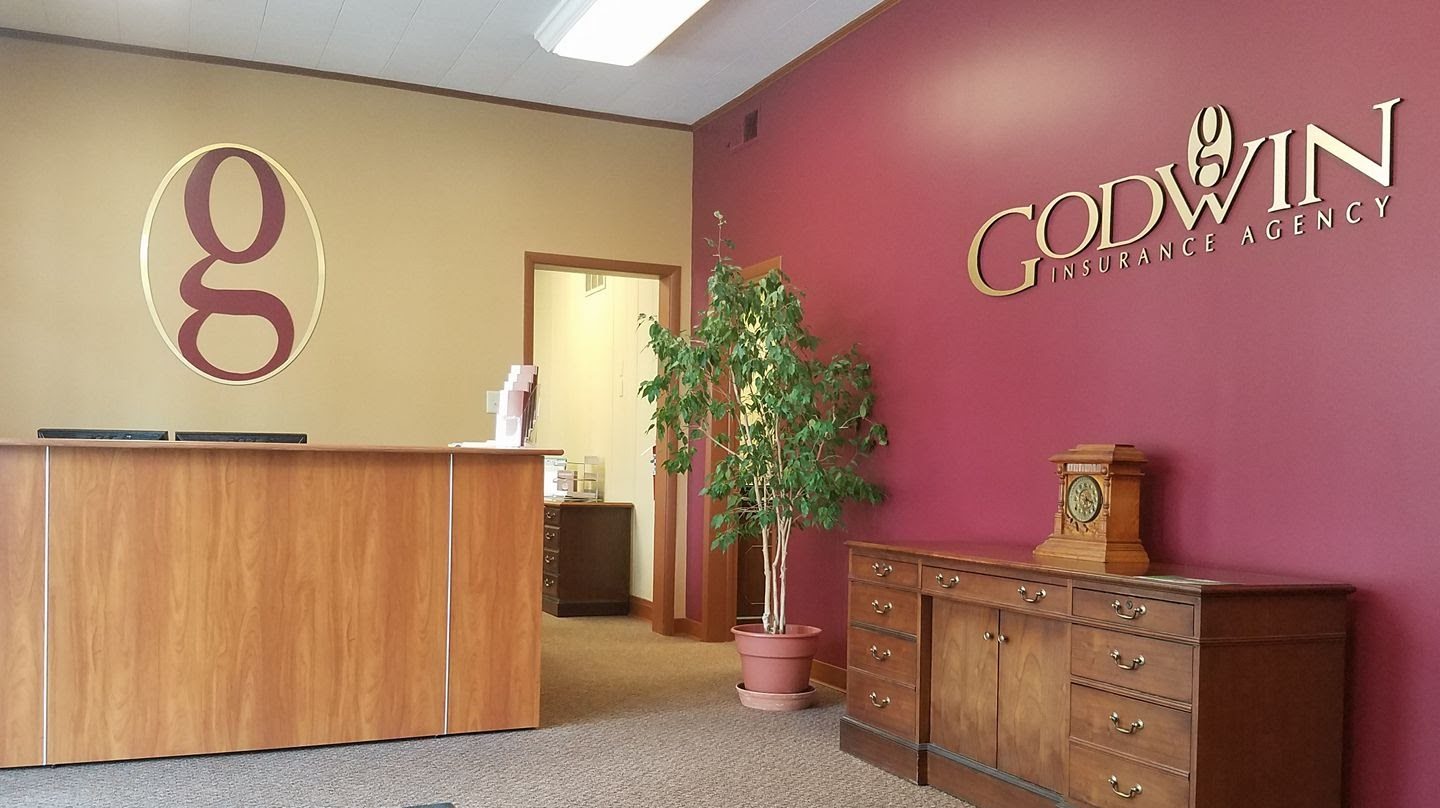
Inside, think about how graphics guide customers or make a waiting area feel finished. Indoor signs and window graphics can coordinate with your exterior identity while using materials suited to each surface.
Approach direction and viewing distance affect the amount of copy, letter size, contrast, and whether a building sign or a closer-reading graphic makes more sense.
Permanent brand identification and seasonal promotions have different needs. A replaceable panel or printed graphic can be more practical than rebuilding a sign when information changes.
Discuss operating hours, available power, and site restrictions before choosing unlit lettering, lit channel letters, or another illuminated format.
Wall construction, access for installers, landlord criteria, and local sign rules can change size, mounting, and timeline. Confirm them early rather than after approving artwork.
The application determines what the sign needs to communicate—not every business needs every format.
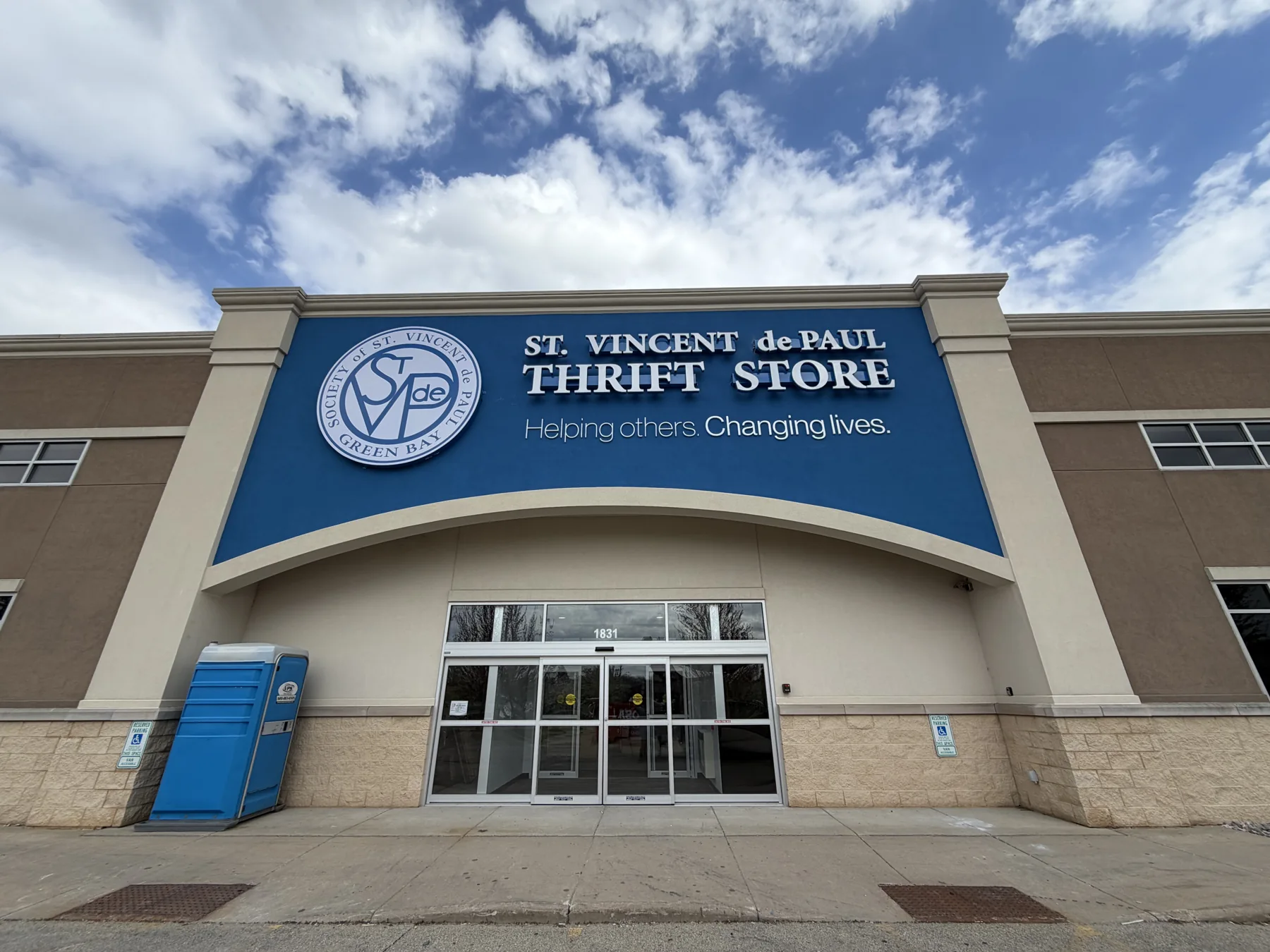
Make an entrance easy to recognize, then carry the same identity into windows, menus, or interior displays. Storefront visibility and interior experience have different viewing distances.
Help visitors find the building and feel oriented inside. Lobby logos, door graphics, and room identification can share a visual system without doing the same job.
Identify a larger property or individual tenant, sometimes from farther away. Scale, mounting height, entrances, and vehicle approaches deserve attention before design is finalized.
Welcome people into schools, congregations, and nonprofit spaces. Interior murals, building names, and directional graphics can serve both a place and the people who use it.
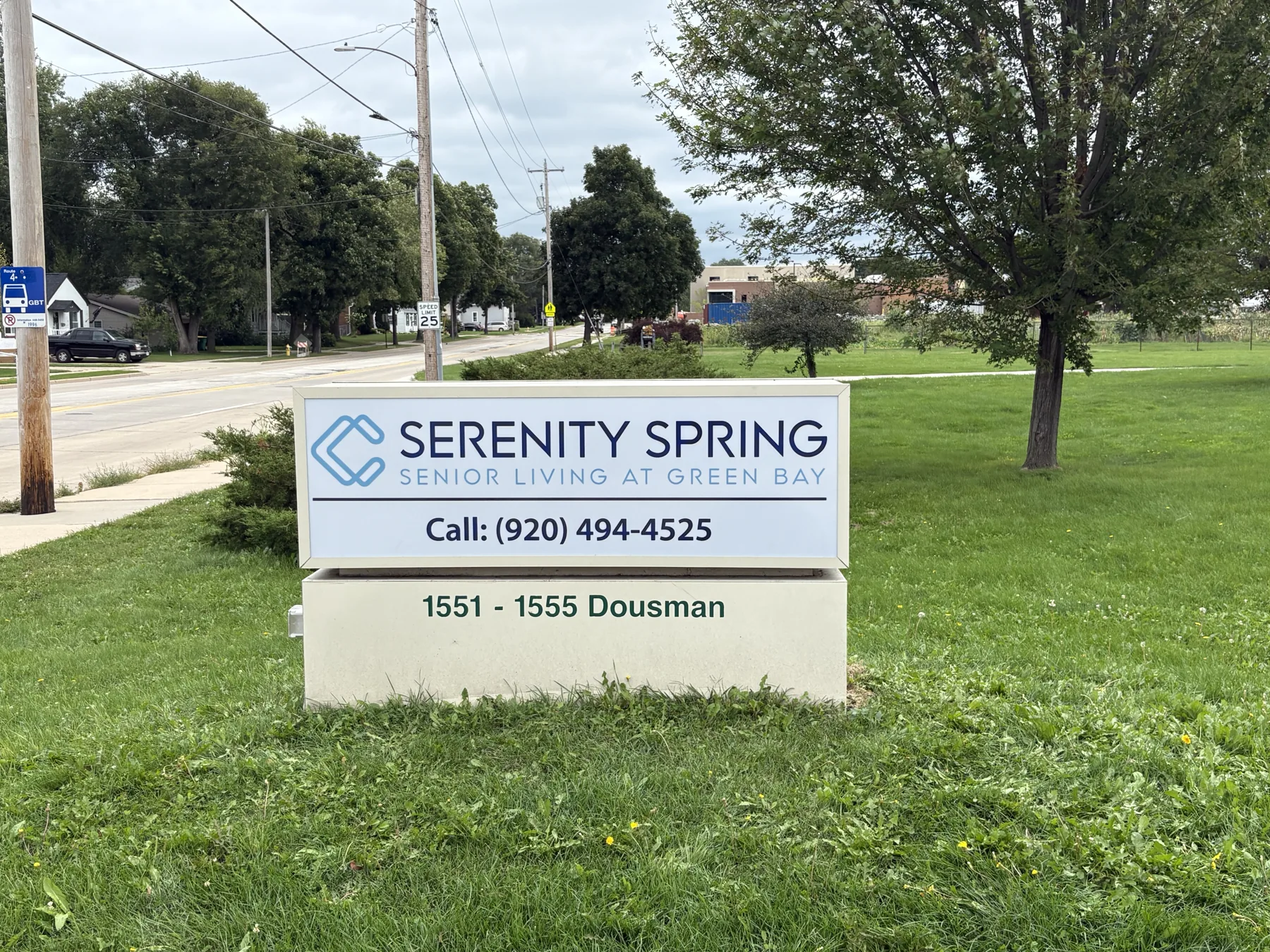
Explore completed signage and graphics by Covenant Signs and Graphics. Select a photo to see the full image.
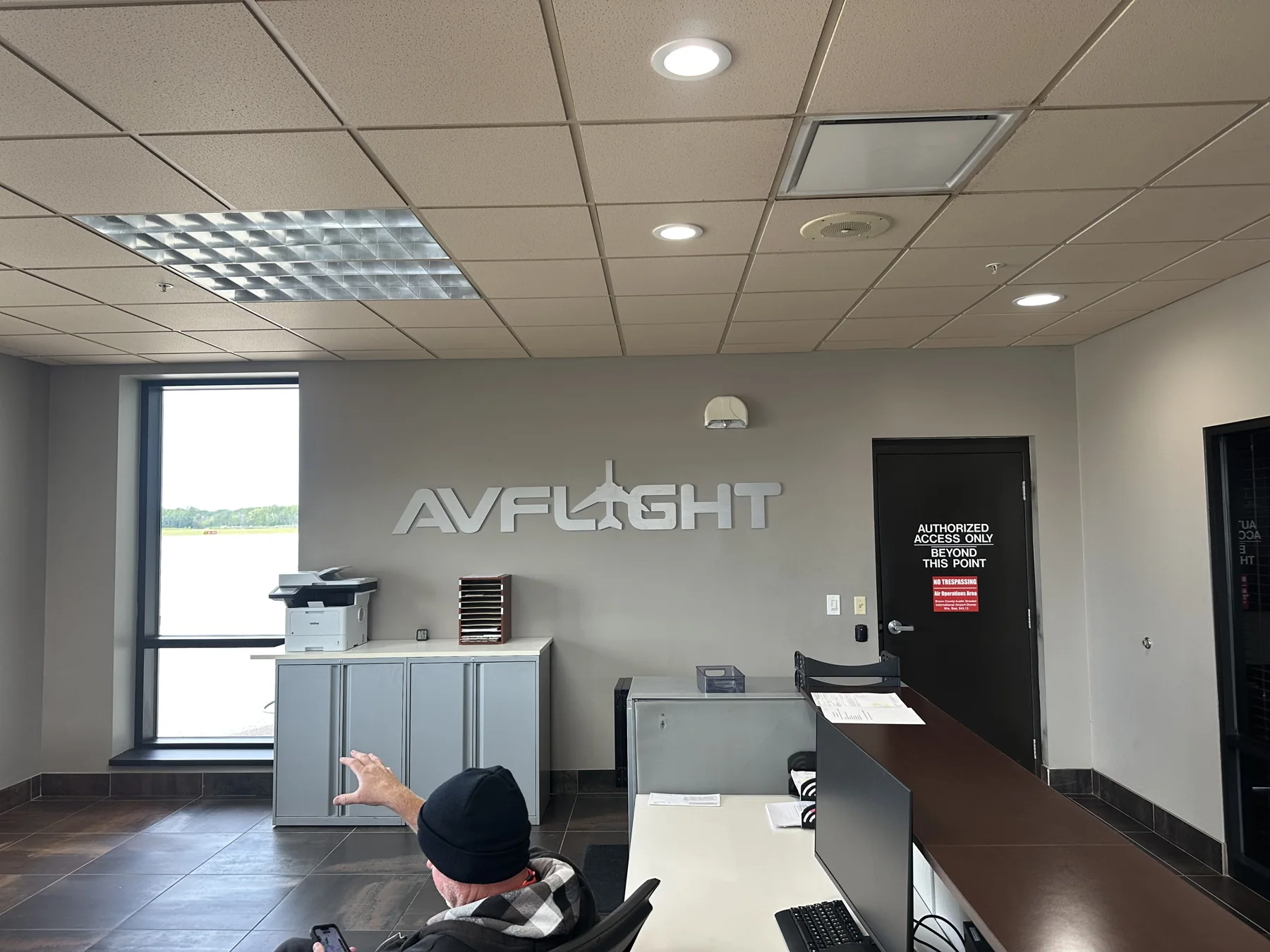
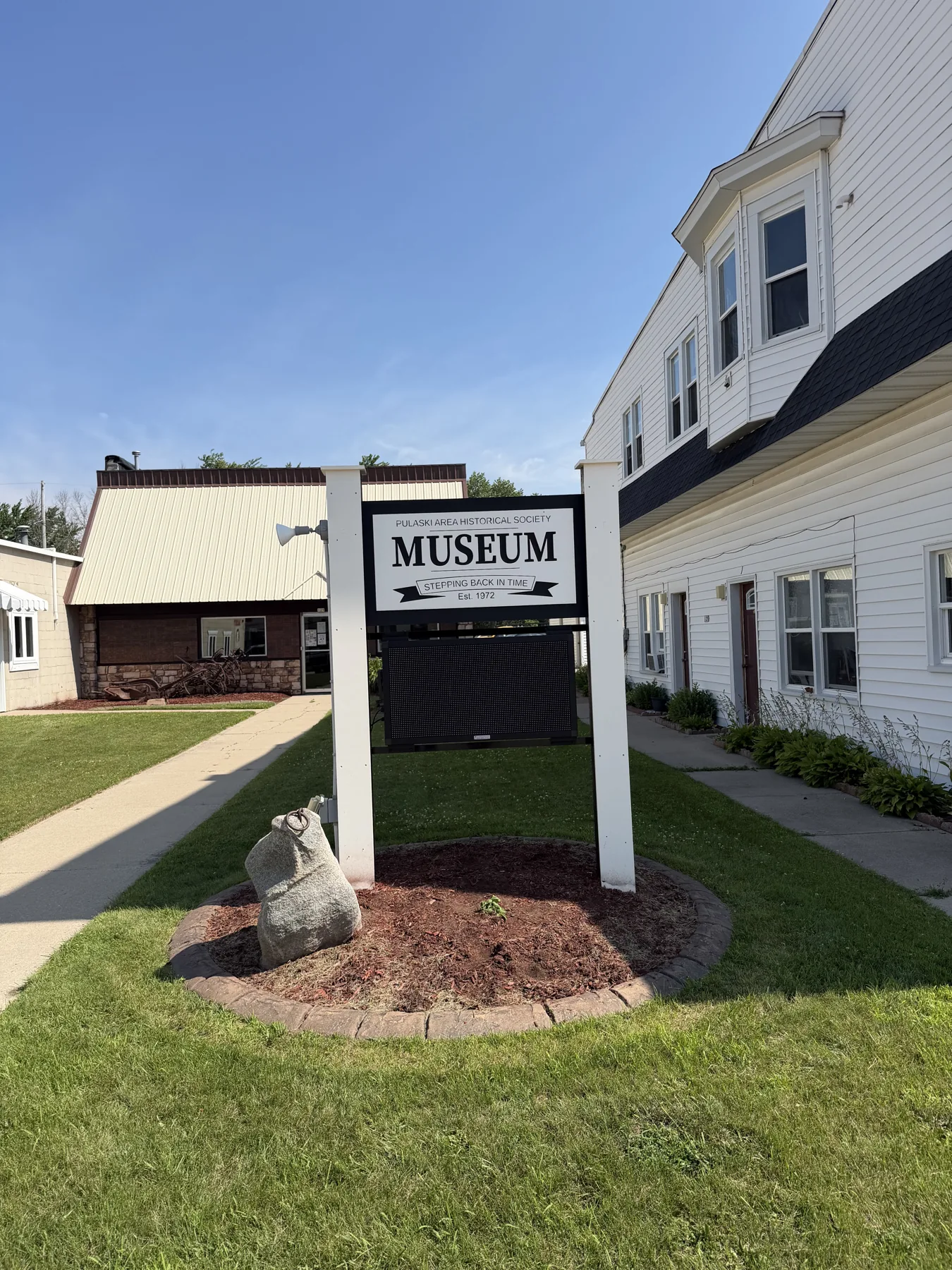
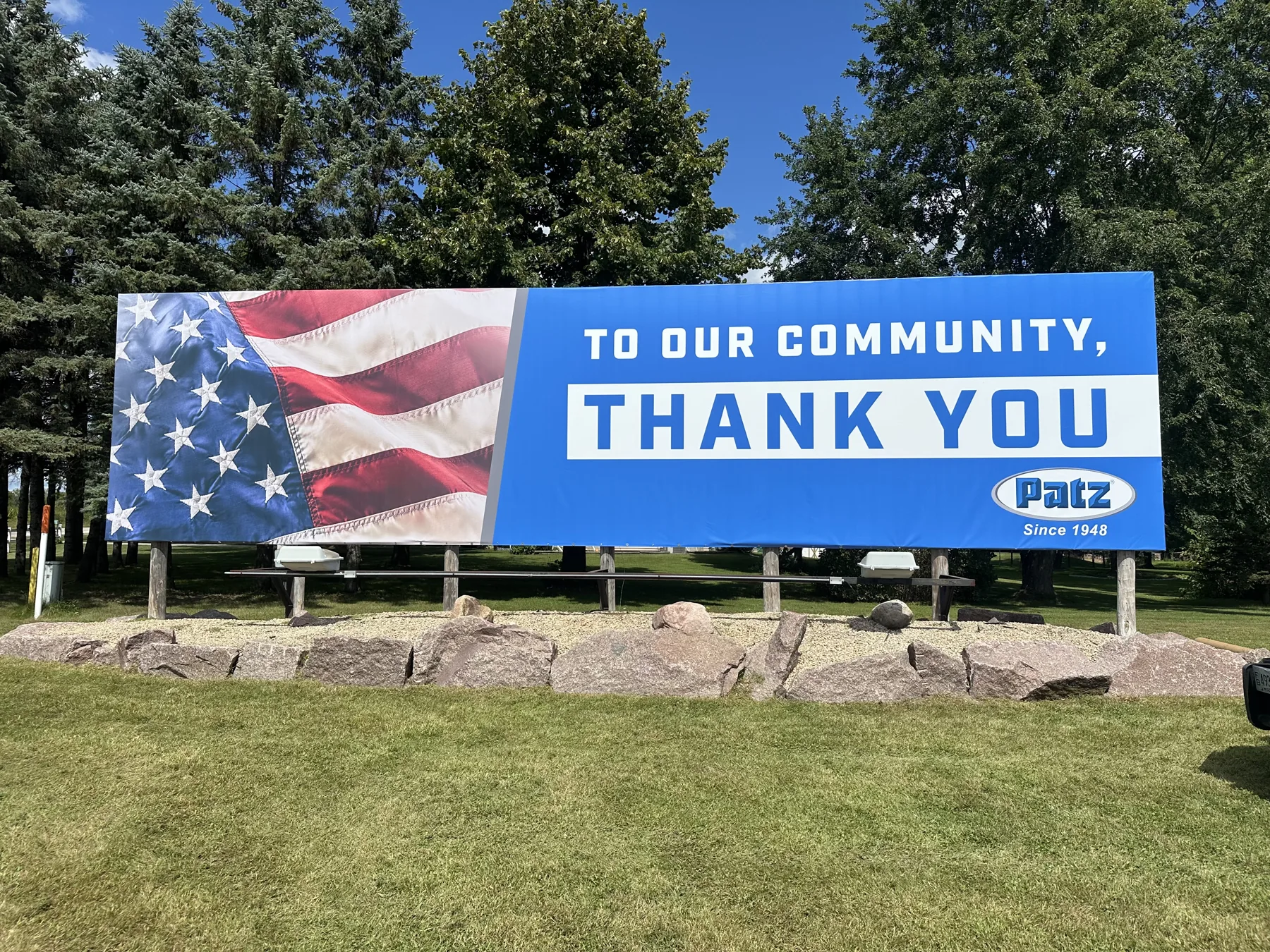
A good proof should answer more than “Do I like it?” These are practical checks worth making while changes are still easy.
Talk through your site →Ask how the message reads from the customer’s approach, not only at full size on a screen. Photos of the building and the path people take can reveal a placement problem early.
Tenant criteria, municipal sign rules, and any landlord approvals can limit area, lighting, or placement. Confirm the applicable requirements and who is obtaining approvals before production.
Wall material, access, electrical needs, and attachment method affect the finished look. Ask what the quote includes for installation; do not assume every surface can take the same hardware.
Will graphics need refreshing, lighting need service, or the brand extend to other locations? Keeping proofs and specifications makes updates easier to discuss later.
Custom signage might use acrylic, metal, composite panels, dimensional elements, vinyl, or a combination. They do not all behave the same way on a façade, window, or reception wall. Appearance is one consideration; weight, mounting method, exposure, cleaning, and cost matter too.
For exterior signs, discuss the location’s sun, moisture, temperature changes, and access for future care. Inside, surfaces and foot traffic may matter more than weather. Illuminated components add power and service-access questions. Ask which construction and finish suit your site rather than accepting a universal promise about lifespan.
The team can compare options during design and explain how the choice affects installation and upkeep. A good specification is one a customer can understand before fabrication starts.
The milestones below show what is discussed, approved, made, installed, and handed over. Timing and scope depend on your specific project.
Bring site photos, brand files, approximate dimensions, your budget, and target date. The team discusses audience, property conditions, and message so recommendations start with the real location.
Designers translate the brief into a concept suited to the surface and viewing distance. Review the proof, including layout, color, size, and placement, and request refinements before fabrication begins.
After approval, the team produces the sign using the agreed material and finish. Confirm lighting, power, mounting, and any outstanding approvals before this stage so the design does not have to be reworked later.
Installation follows the approved placement and the actual site conditions. Discuss access, mounting, and any coordination needed with the property or qualified trades in the quote before the scheduled install.
Review the finished sign from the intended approach. Ask about cleaning, lighting care if applicable, and keeping artwork or specifications for future updates. Covenant describes ongoing support after installation.
Look at the work, the team’s published capabilities, and what actual customers say about the experience.
Covenant’s About page describes consultation, design, production, and professional installation, and lists its Green Bay and Appleton locations.
About Covenant →The photographs on this page show restaurant lettering, interior graphics, and building identification. Browse the broader project collection before choosing a format.
See more projects →Britney Binder, Jenni Oliver, and Cayden Hare describe their experiences in published customer reviews. You can read the longer accounts at the source.
Check the source reviews →Read customer feedback about Covenant Signs and Graphics.
Covenant lists Green Bay and Appleton locations and serves businesses in Two Rivers and communities across Northeast Wisconsin. An urban storefront, office campus, and freestanding commercial property each bring different sight lines, mounting surfaces, tenant criteria, and approval questions. Those details shape a better recommendation than a one-size-fits-all sign.
Share the property address and photos when you inquire. The team can discuss where the message will be seen and what site information is needed before a design is approved. Check the published service-area page for coverage beyond these locations.
Practical answers for planning a one-of-a-kind sign in Green Bay. Your consultation is the place to discuss your specific property and goals.
Call (920) 949-7089Tell us what you have in mind — storefront, interior, vehicle, or a full property. We'll help you choose the right materials, design, and placement, then handle the install.
Design · Production · Installation — Green Bay, WI