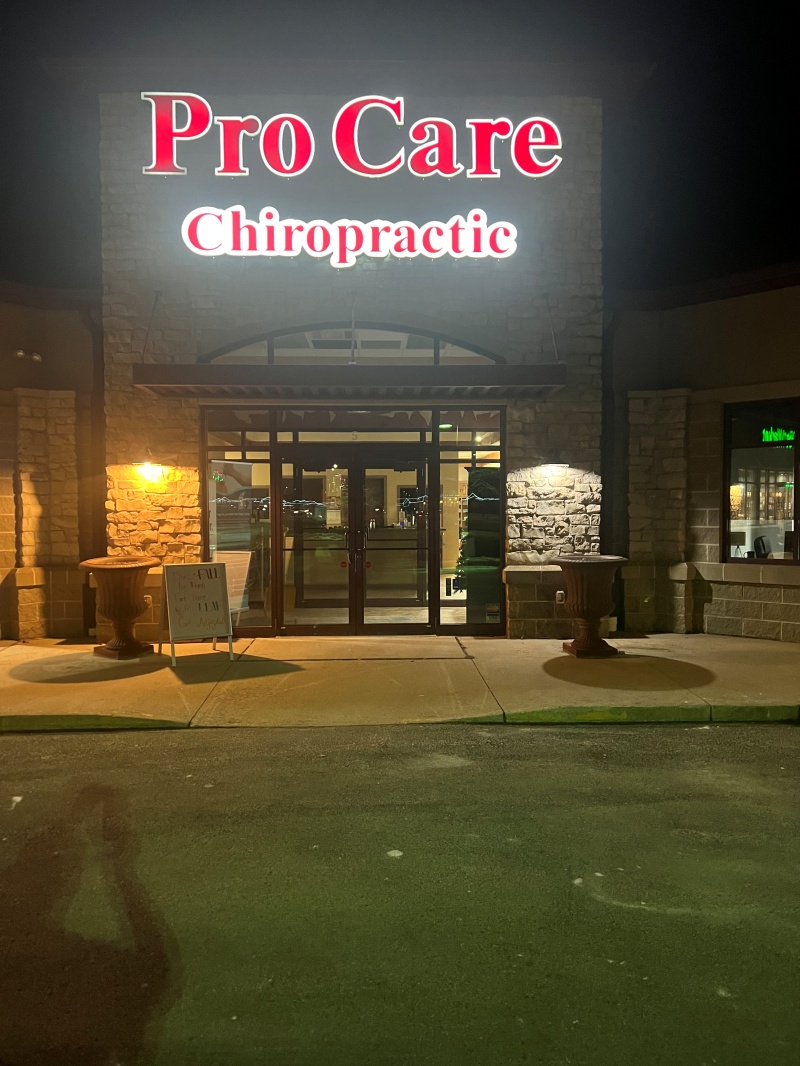
Channel letters are individual, three-dimensional letters or logo shapes that are made separately and mounted on your building. A cabinet sign shows your message on one enclosed surface. Both options can be lit, depending on the design.
There is no one-size-fits-all answer. The best option depends on your location, brand, landlord’s rules, access to electrical power, and budget. This guide will help you compare channel letters vs. cabinet signs so you can make a more informed decision before speaking with a sign company.
Channel Letters and Cabinet Signs at a Glance
This comparison covers common buyer questions. Because construction and options can vary, treat this as a guide for your project rather than a set of strict rules.
Channel Letters | Cabinet Signs | |
|---|---|---|
Appearance | Separate dimensional letters or shapes that follow the outline of the brand | One enclosed panel with a flat face |
Branding surface | Letters and logo shapes sit on the facade, so the wall acts as the background | A shared face carries text, graphics, and background color together |
Mounting | Directly on the wall or on a raceway, depending on the building | Fastened to the wall or a structure as a single enclosure |
Lighting choices | Front lit, halo lit, or reverse lit, and other styles, depending on design | Lit from inside the enclosure, or unlit, depending on design |
Typical site constraints | Wall surface, wiring path, and landlord criteria | Wall or structure strength, size limits, and landlord criteria |
Future updates | A name change may mean changing letters, depending on construction | A message change may mean replacing the face, depending on construction |
The main things to consider are the wall type behind your sign, the lighting you want, and what your lease allows.
What Are Channel Letter Signs?
Channel letters are made one letter or shape at a time. Each has a back, a sidewall called a return, and a face, which gives the sign depth. Your business name appears as separate characters, and your logo can be shaped on its own instead of placed in a box.
Without a panel behind channel letters, the building itself becomes the background. The wall's color, texture, and condition change how the sign looks day and night.
There are usually two ways to mount channel letters. You can attach them directly to the wall or mount them on a raceway, a metal channel that holds the letters together and carries the wiring. The best option depends on your building’s facade, how power will reach the sign, and your landlord's requirements
Channel letters come in different lighting styles. Front-lit letters shine through the face, while halo-lit (reverse-lit) letters shine onto the wall behind them, creating a glow around each letter. Not every style works for every building, and local rules or your landlord may limit your choices. If you know you want channel letters, visit our channel letters page.
What Is a Cabinet / Box Sign?
A cabinet sign is a shared enclosure with a single display face. It is also called a box sign or a lightbox when lit from inside. The face can carry a name, logo, tagline, images, and background color, so it handles a larger, grouped message well.
When people search for box sign vs channel letters, the real difference is how the message is held. A cabinet puts everything on one panel, so the sign reads as one block. Channel letters let each element stand on its own against the wall.
Cabinets can be illuminated or unlit depending on the design. Mounting depends on the enclosure's size, weight, and the wall or structure behind it. Service details are on our cabinet signs page.
Which Format Better Fits Your Storefront?
Cabinet signs vs. channel letters is rarely a contest with one winner. These four questions help you decide for your own building.
Brand Appearance and Message:
Start with what your brand looks like. A distinctive logo shape or short name often works well as individual letterforms, which is channel letters' strength. A longer message, detailed text, or a colored background that is part of your identity may suit a cohesive panel, where cabinet signs shine.
Building style matters too. A modern facade with clean lines and an older brick storefront may call for different looks. Ask which format makes your brand easier to read.
Viewing Distance, Day and Night:
Consider where people will see your sign. Drivers, pedestrians, and customers in the parking lot all view signs from different angles. Good contrast matters during the day, and at night, your sign needs to stand out against streetlights and other signs.
Visibility comes from wall area, surroundings, and design, not from the format alone.
Mounting, Electrical and Landlord Rules:
Start with the facade. Brick, stucco, metal panels, and storefront framing each affect how you can attach a sign. Then look at access: is there a power source near the sign position, can cabling be run to it, and can the wall or structure support the sign?
Many tenants also receive sign criteria from a landlord or property manager that set size, placement, lighting style, or format. Local approvals apply on top of that, and they differ by jurisdiction. Check with your city and your landlord instead of assuming rules from somewhere else. For the wider picture of how a sign relates to the property, see our building signs overview.
Updating or Servicing the Sign:
Think ahead to rebrands, new tenants, and maintenance. How a sign is built shapes what changing or servicing it involves. Replacing a face panel is different from replacing letters, and access to lighting components differs between the two. Servicing isn't automatically easier or cheaper for one format, since construction dictates it. Ask any sign company how they'd update your sign and who would handle it.
What Factors Affect the Cost?
No single format is always cheaper. The cost depends on the details of your project:
- Letters and quantity: how many characters you need, their size, and how complex your logo is
- Enclosure and face size: the size of the cabinet and the amount of graphic detail
- Materials: what materials are used to make the sign and how it is finished
- Illumination: if the sign is lit and what lighting style you choose
- Mounting and raceway: how the sign will be attached
- Electrical work: the distance from the sign to a power source and what connections are required
- Site access: how high the sign will be, the condition of the wall, and what equipment is needed to install it
- Landlord criteria and permit scope: any rules or permits that could change the design or add extra steps
A short name in small letters and a large cabinet with a detailed graphic can land in different places depending on the site, so compare quotes for your exact facade instead of relying on rules of thumb. For broader sign-type options, explore our business signs page.
Questions to Ask Before You Request a Quote
A few details make the comparison faster and the quote more accurate. Gather these first:
- Property photos: the storefront and exact sign location, day and night if possible
- Facade dimensions: the size of the wall or fascia where the sign will go
- Logo or vector artwork: your best-quality logo file
- Sign criteria: any guidelines from your landlord or property manager
- Lighting preference: whether you want the sign to be lit or unlit, and the style you prefer
- Viewing distance: where most people will be when they see your sign
- Landlord approval: whether you need approval and who will take care of it
- Timeline: your planned opening or reopening date
Covenant Signs & Graphics has a local team that handles everything, from consultation and sign design to production, installation, and ongoing support. This way, you can discuss format, design, and installation in one conversation. The best options depend on your project and location.
Frequently Asked Questions
Are channel letters always illuminated?
No. Channel letters can be lit or unlit, depending on the design. The lighting choice depends on the site, and local rules or landlord criteria can shape what is allowed.
Are cabinet signs the same as lightbox signs?
The terms often overlap. A cabinet describes the enclosure, while a lightbox usually means an internally lit cabinet. Because a cabinet can also be unlit, confirm what a sign company means before comparing quotes.
Which works better for a multi-tenant center?
It depends on the center. Some properties set a required format, height, or lighting style for every tenant. Read the sign criteria first, then compare the formats that fit within it.
Can both be mounted on one building?
Sometimes, both can be used. A property might have letters on the main front and a cabinet sign elsewhere. This depends on the property’s rules, getting the right approvals, and making sure the signs look good together.
Who confirms permit and electrical requirements?
Your local government and your landlord decide on these requirements, and the project team works with them. A sign company can explain what information is usually needed, but only the authorities can give final approval. Electrical work must follow local rules, and no one can guarantee approval in advance.
Compare Options With Covenant
If you are deciding between the two for a specific storefront, send us photos of the building and any sign criteria you have received. We will talk through which format fits the facade, the lighting you want, and your budget, and then give you a free project quote.
Covenant Signs & Graphics is based in Green Bay and serves businesses across Northeast Wisconsin, including Appleton and Two Rivers. Read more about channel letters or cabinet signs, or request a quote when you are ready.