Most signage decisions come down to one practical question: does your business need a lasting identity, frequently changing messages, or both? If your name and entrance rarely change, a static sign usually does the job. If you regularly adjust offers, hours, pricing, or schedules, you may consider a programmable display.
The right answer depends on five things: how often your message changes, how people actually view the sign, what power and structure your property supports, who will handle content, and what the total project involves.
This comparison blog walks through each factor so you can weigh digital signs vs. traditional signs on your own terms without assuming one option is automatically the better investment.
What Makes a Sign Digital?
A digital sign is a programmable electronic display whose text or imagery can change without replacing the physical sign face.
The most common outdoor example is an electronic message center that lets you swap messages, announcements, event details, or promotions electronically rather than producing new graphics. Indoor digital displays follow the same principle, but they serve a different viewing environment and usually involve a separate software decision.
When choosing a digital sign, keep in mind that not every product supports the same message formats, scheduling options, or update methods. Some are managed directly at the display, others through a separate control setup, and connection requirements differ among products. Moreover, the mounting structure, power supply, and control method all determine what a given installation can actually do.
What Static Signs Do Well
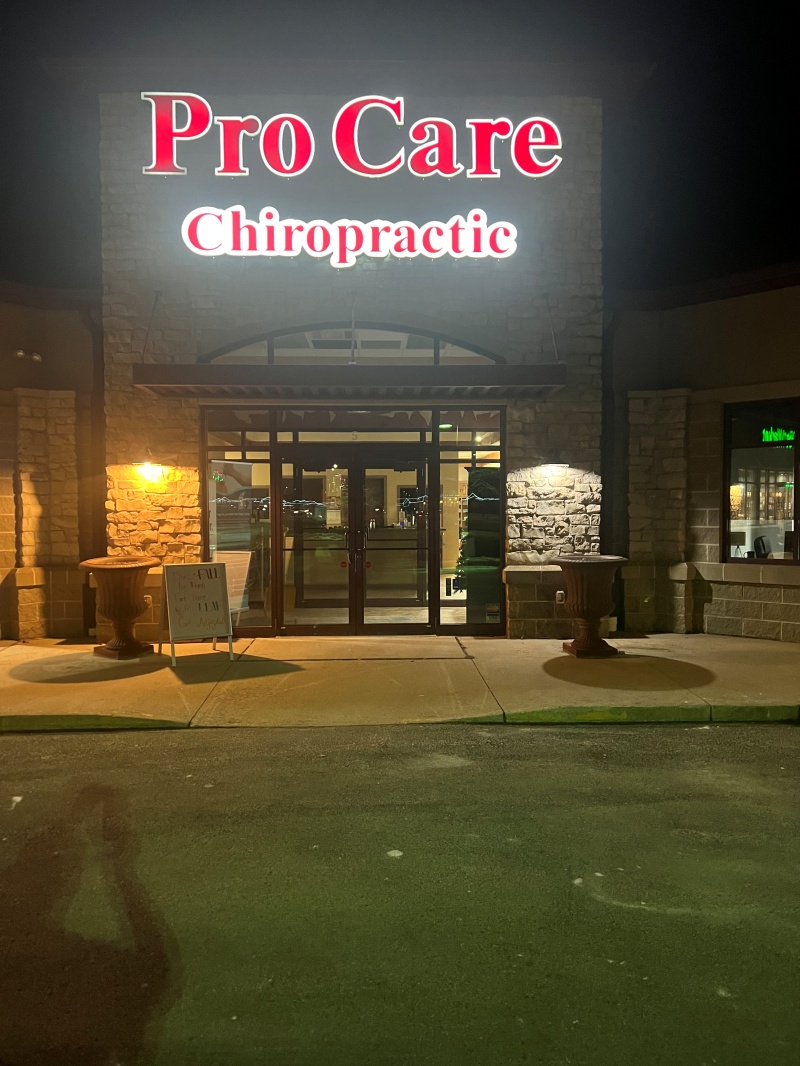
A static sign carries a fixed message: a business name, logo, identification, or directional information. Common examples include dimensional building signs and lettering, printed panels, and sign cabinets.
Static signs can be internally or externally illuminated, and LED lighting is a common choice for cabinet signs and similar formats. That makes a static sign a strong option where the core message rarely changes, and no ongoing content schedule is needed.
Static doesn't mean impossible to change. Depending on the format, updating a message may require a replacement face, a new graphic panel, or a manual update such as changing letters or panels. A lighted cabinet, for instance, holds a fixed face that can be refreshed when the message needs to move on; the cabinet structure stays, and the graphics change.
Compare the Decision Factors
When comparing digital signs vs. traditional signs, the practical differences become clearer when you consider how the sign will be used, installed, and maintained.
How Often the Message Changes
Ask yourself how often a change would realistically happen. For example, a business that updates a promotion twice a year could do well with a static panel or replacement graphic. However, a business that posts new pricing weekly or manages constantly shifting schedules may genuinely require a programmable display.
Bear in mind that not every static promotion requires an entirely new sign structure. Often only the face or graphic changes, while the structure, frame, and lighting stay in place.
Readability and Viewing Conditions
Think about the distance from which people will read the sign. Several factors affect viewing conditions, such as how quickly they approach it and whether trees, parked vehicles, buildings, or other obstructions surround it. Daytime and nighttime conditions matter, too.
Moreover, the sign's placement, message length, layout, and viewing angle influence readability. A static sign can present a short, consistent message that people recognize at a glance. A digital display can communicate different messages over time, but each one still needs to be concise and easy to understand.
Installation and Infrastructure
A digital display may require suitable mounting, electrical power, adequate structural support, and an appropriate control or connection method. Illuminated static signs also require power, so the distinction is not simply between an electronic sign and one that uses no electricity. The requirements depend on the sign's format, lighting, construction, and installation conditions.
If you plan to replace an existing sign or add a display to an established structure, have the site assessed. Available space, structural suitability, electrical capacity, and mounting arrangements all matter.
Content Ownership and Maintenance
Digital signage adds content-management tasks to the usual considerations of keeping a physical sign in suitable condition. You need to establish who will prepare and approve messages, publish updates, and manage access. Ask what training is required and whether the selected arrangement involves software, connectivity, or recurring fees.
Static signs also have different upkeep needs. Depending on their construction, they may require cleaning, inspections, lighting repairs, or eventual replacement of a graphic or sign face.
Budget and Property Requirements
Compare the full scope, not just the sign itself. For static signs, that means design, fabrication, mounting and installation, plus eventual face or graphic updates. For digital options, add the display itself, mounting and power work, the control/connection setup, electricity use, any software or connectivity costs, and ongoing content work and repairs.
Cost categories are useful for planning, but they vary widely by project; neither option is universally cheaper. Additionally, landlord approval may be required. Sign requirements are specific to the property and governing jurisdiction. Current property and jurisdictional sign requirements are an important part of planning.
Depending on the jurisdiction, digital displays may face additional controls on brightness, message changes, or operation.
Which Option Fits Your Business?
Your communication goals provide the clearest starting point for choosing between digital and static signage.
Choose Static for a Consistent Identity
A static sign is a practical option when your main priority is lasting business identification that rarely changes or straightforward directional information.
For example, an office may need its name and entrance to remain easy to identify all year round. A well-planned static sign can communicate that information without requiring a schedule of promotional messages or an assigned content manager.
Focus on the sign's placement, readability, branding, and suitability for the property. Choosing the right message format is more important than adding features you may not use regularly.
Consider Digital for Regular Message Updates
A digital sign may be worth considering when your business frequently changes the information it communicates. Someone needs to manage content, and the location must be suitable for the proposed display. Infrastructure, property requirements, and ongoing responsibilities should also fit your plans.
For example, a business that regularly updates its offers, operating schedules, or event announcements may find a programmable display more convenient than repeatedly arranging changes to fixed graphics.
If you expect to change messages only occasionally, compare digital signage with a static sign that allows practical graphic updates before making a decision.
When a Hybrid Approach Makes Sense
You do not always have to choose between a fully static sign and an entirely programmable display. A hybrid sign combines fixed business identification with a digital messaging area. This arrangement can be useful when customers need to recognize the business quickly and receive additional information.
For example, a suitable monument sign could display a business name and logo in a permanent section while using a programmable display for announcements or timely information. The fixed portion provides consistent identification, while the electronic section allows messages to change.
Keep in mind that the supporting sign structure and the display technology are separate considerations. An existing sign may not have the space, mounting capacity, or electrical infrastructure needed for a digital component. Carefully assess dimensions, structural suitability, power, and applicable approvals before making a decision.
FAQs
Are Digital Signs More Effective Than Static Signs?
Effectiveness depends on your communication goal, sign placement, and the presentation of the message. Digital signage offers flexibility when information changes regularly, while static signage can meet lasting identification needs. Choose based on what you need customers to see and how often that information changes.
Can a Digital Display Be Added to a Monument or Pylon Sign?
It may be possible, but suitability depends on the existing structure, available space, mounting requirements, electrical supply, and applicable property approvals. An assessment can help determine whether adding a display is practical or whether a different sign design would be more appropriate.
Who Updates Digital Sign Content?
Content updates may be handled by authorized staff or an agreed service provider, depending on the selected system and contract. Before purchasing, clarify who manages access, prepares and approves messages, publishes updates, relevant training, and any recurring fees from the beginning.
Do Digital Signs Have Different Permit Rules?
Requirements depend on the property and the governing jurisdiction. Electronic displays may have additional restrictions about brightness, changing messages, or operating conditions, but static signs can also require approval. Local and property-specific sign requirements also affect which option is suitable.
Get a Recommendation for Your Property and Message
Choosing the right sign starts with understanding what you need it to do. A static sign may be useful for consistent business identification, while a digital display may offer flexibility when messages change regularly. In some cases, combining both approaches may make sense.
Covenant Signs & Graphics can help you evaluate your options based on your property's conditions and communication needs. Tell us about your location, share existing signs and available photos, viewing conditions, how often your messages change, and your project budget. These details will help our team make an informed recommendation suited to your requirements.
Request a sign consultation or call (920) 949-7089 to discuss the options for your property.